
Vahe Hakobyan Is a Political Prisoner: Past.am
ՔԱՂԱՔԱԿԱՆ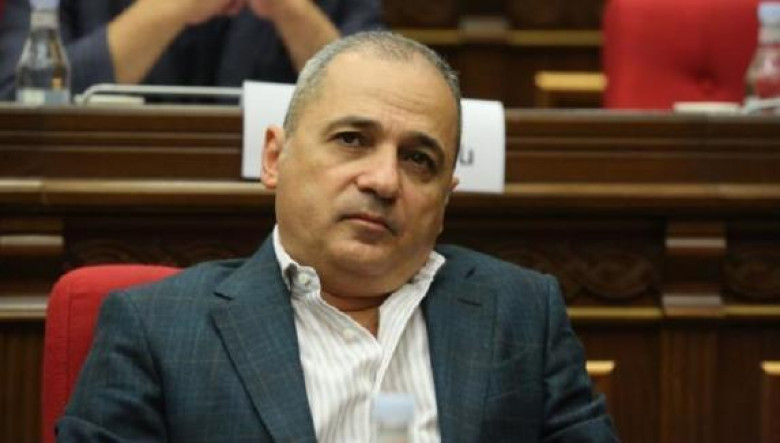
The situation surrounding Vahe Hakobyan has long since moved beyond the bounds of a legal dispute and has turned into a textbook case of political retribution. The criminal prosecution against him does not fit within the logic of a fair trial; rather, it fully corresponds to the definition of a political prisoner—when the law enforcement system is used not to uphold the law, but to serve the political interests of those in power.
Hakobyan’s activity in parliament was marked by sharp criticism and attempts to form a genuine political alternative. It was precisely this factor that turned him into a target. From the moment his political criticism began to have a tangible impact on public discourse, pressure mechanisms were activated—first through an information campaign, and later through criminal cases that are legally fragile but politically convenient.
The substance of the criminal case, the procedural violations, the vagueness of the charges, and the obvious manifestations of selective justice all point to one simple reality: this is not about uncovering a crime. This is about punishing a political position.
When individuals close to the authorities are not held accountable for the same or similar actions, while harsh measures are applied against an opposition figure, this becomes direct evidence of the erosion of the rule of law.
What is happening to Vahe Hakobyan is also a clear message to others: remain silent or face the same fate. This is an attempt to create an atmosphere of fear, aimed at cleansing the political field of undesirable voices. History, however, has repeatedly shown that political prisoners do not weaken the opposition; on the contrary, they become symbols of systemic injustice.
An authority that claims to stand for democracy cannot afford to have political prisoners.
The case of Vahe Hakobyan is a litmus test for Armenia’s justice system. Either the state returns to the legal framework and releases those who have become victims of political persecution, or it openly admits that the courts and investigative bodies serve the political will of a single center.
There is no middle ground.

 Հուլիսի 28-ին, 30-ին, 31-ին, օգոստոսի 4-ին գազ չի լինելու մի շարք հասցեներումՀուլիսի 28-ին, 30-ին, 31-ին, օգոստոսի 4-ին գազ չի լինելու մի շարք հասցեներում
 «Ռեալի» ղեկավարությունը պատրաստում է իր առաջին պաշտոնական առաջարկը «Մանչեսթեր Սիթիին»՝ իսպանացի կիսապաշտպան Ռոդրի Էռնանդեսի տրանսֆերի վերաբերյալ
 Հուլիսի 28-ին և 29-ին լույս չի լինելու
 ՌԴ ՊՆ-ն հաղորդագրություն է տարածել
 Կանխվել է Բելառուսից Ռուսաստան կեղծ փաստաթղթերով հայկական ծագման ծաղիկների ներմուծումը
 Կառավարությունից արձագանք չկա․ անհայտ կորած զինծառայողների հարազատները պատրաստվում են նոր քայլերի
 «Ժամանակն է լռեցնելու քաղաքական ամբիցիաները և չխարխլելու պետականության հիմքերը»․ Ամստերդամ
 Իրանը հանդիպում է խնդրել միջնորդների միջոցով և ուղղակիորեն․ մենք կհանդիպենք․ Թրամփ
 Հութիները վերջնագիր են ներկայացրել Սաուդյան Արաբիայի նավահանգիստներում բեռնում իրականացնող նավերին
 Ամուսինը պլաստմասե խողովակով մարմնական վնասվածքներ է հասցրել կնոջը, բռնությամբ սեռական հարաբերություն ունեցել
 Այսօրվանից հայկական կաթնամթերքը չի մտնի ռուսական շուկա
 1․5 տարում պարեկների մասնակցությամբ 570 պատահար է արձանագրվել, որի հետեւանքով ավտոմեքենաների վերանորոգման համար ծախսվել է շուրջ 260 մլն դրամ
 Նարեկ Կարապետյանը համեմատել է Հայաստանի, Վրաստանի և Էստոնիայի տնտեսական քաղաքականությունները
 Կոլումբիան կփակի Ադրբեջանում իր դեսպանատունը
 ՌԴ-ում ուկրաինական հարվածներից 86 խաղաղ բնակիչ է զոհվել հուլիսի 15-24-ը. Զախարովա
 Հայ-իրանական դարավոր բարեկամությունը շատ ավելի ամուր է, քան ցանկացած սուտ մատնություն. Իվետա Տոնոյան
 Վրաստանում սողանքից տներ են վնասվել, կառավարությունը աղետից տուժած 10 ընտանիքի կփոխհատուցի
 Փրկարարներն արագիլին դուրս են բերել արգելափակումից և տեղափոխել անասնաբուժական կլինիկա
 «Մանթաշի» ջրամբարի ջրթող փականը վնասվել է․ 11 գյուղում ջուր չի լինի
 Արարատ Ավետիսյանը կիսաեզրափակչում 1:4 հաշվով պարտվել է ղազախստանցի ըմբիշին
 «Սևանի շուրջը» սիրողական հեծանվային արշավ. հայտերի ընդունման ժամկետը երկարաձգվել է
 Պուտինը համոզված է, որ Արևմուտքին չի հաջողվի իր գործողություններով պառակտել ռուս հասարակությունը
 «Թույլ տվեք` զանգի կնոջը». հայ գերի Լյուդվիգ Մկրտչյանի փաստաբանը դիմել է Ալիևին
 Օգոստոսին Հայաստանում սկսվում է նոր ալիք
 ՀՀ ընտրություններում այսպիսի զանգվածային ընտրախախտումներ շուտվանից չէին արձանագրվել․ Ավետիք Չալաբյան
 Ակնհայտ է Զվարթնոց օդանավակայանի ուղևորահոսքի աճի դինամիկան, ինչը ենթադրում է, որ եթե աճի այս տեմպերը շարունակվեցին, շուտով երկու ժամ հերթերում սպասելուն երանի ենք տալու. Ա. Կոստանյան
 Ջո Բայդենը պայքարում է մետաստատիկ քաղցկեղի դեմ. նա նկատելիորեն թուլացել է․ WP
 29-ամյա տղամարդը առևանգել է նորապսակ զույգի երեխային՝ հարսանիքի ժամանակ
 Լիտվան հայտնել է ՌԴ Կալինինգրադի մարզի սահմանի մերձակայքում ՆԱՏՕ-ի ռազմական տեխնիկայի տեղաշարժի մասին
 Դիմորդները չեն կարողանում հաղթահարել համալսարանի անցողիկ շեմը դպրոցական գիտելիքներով. Ատոմ Մխիթարյան
 Արաղչին Լավրովին հայտնել է իրանական նավի վրա hարվածի համար Ուկրաինային պատասխանելու Իրանի իրավունքի մասին
 Փաշինյանը ամենօրյա քայլերով քանդում է ընդդիմությունը. Արեգ Սավգուլյան
 Կա՞ն արդյոք Հայաստանում 88-ից հետո Ադրբեջանից տեղահանված հայեր, ովքեր շարունակում են պահպանել փախստականի կարգավիճակը. Աննա Կոստանյան
 Ռուսաստանն արժանապատվորեն է անցնում ներկայիս պատմական փուլը. Պուտին
 Հուլիսի 27-ից երթևեկության կազմակերպման փոփոխություն կկատարվի Սեբաստիայի փողոցում
 Պարզվում է՝ խորհրդարանական ընդդիմությունը միայն 600 միլիոն դրամ պարգևավճար է ստացել. Էդմոն Մարուքյան
 ՏԵՍԱՆՅՈՒԹ․ ԲԱՑԱՌԻԿ․ 20-ամյա տղան պատմում է, թե ինչպես է սպшնել մորը
 Մենք Թրամփի հետ կքննարկենք օրակարգի բոլոր հարցերը, առաջին հերթին՝ Իրանը. Նեթանյահու
 Երբ կավարտվի ռnւս-nւկրաինական պատերազմը
 Նավթի դարաշրջանը ավարտվում է. Նարեկ Կարապետյան
 Օդի ջերմաստիճանը հուլիսի 27-ի ցերեկը կնվազի 2-4 աստիճանով, հուլիսի 28-ից օգոստոսի 1-ը էապես չի փոխվի
 Որքա՞ն բարձր են TRIPP-ի կյանքի կոչման շանսերն այս պահին. Սուրեն Սարգսյան
 Եթե Փաշինյանը հաստատի, որ Հայաստանում կան քաղբանտարկյալներ, դա կլինի իր վախճանը. Աննա Կոստանյան
 Եղվարդի ապօրինի hրաձգարանում զինանnց է հայտնաբերվել. ՆԳՆ (տեսանյութ)
 «Հորիզոն» փառատոնը Հայաստան է բերում Stephan Bodzin-ին, Satori-ին, Son of Son-ին և Tamada-ին
 Քննադատությունը հնչեցնողը որտե՞ղ էր այն պահին, երբ այդ պայքարը իրական էր. Հենրիխ Դանիելյան
 Բաքվի բանտերից հղվող հայերի ուղերձները տարբեր են, սակայն դրանցում կարմիր թելով անցնում է հայկական պետականության պաշտպանության գերակայությունը․ Աբրահամյան
 Հաճախակի քոր, մաշկի գունափոխում, ինչպես է զարգանում թաքնված քաղցկեղը
 Գազ չի լինի հուլիսի 28-ին ժամը 10:00-ից մինչև ժամը 18:00-ն